

Why This First Thermal Felt Approachable
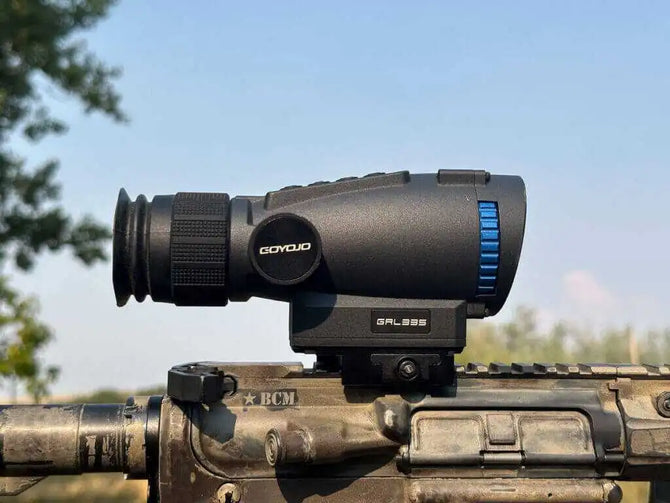
Choosing a first thermal scope can feel like stepping into an unfamiliar mix of sensors, palettes, menus, and nighttime shooting techniques. Jeremy Tremp brought that exact perspective to his third-party GRL335 review for The Armory Life. The GRL335 was his first thermal optic, and he mounted it on a Springfield Armory Model 2020 Heatseeker to explore how the system handled on a modern bolt-action rifle.
His clearest takeaway was how quickly the equipment stopped feeling unfamiliar. Tremp described a sturdy optic with an image that came into focus easily, controls that made sense within minutes, and a zeroing process that felt as approachable as working with a conventional riflescope. That combination makes his experience especially useful for hunters who are interested in thermal capability but do not want their first outing to be dominated by setup and menu navigation.
Compact Build on the Heatseeker
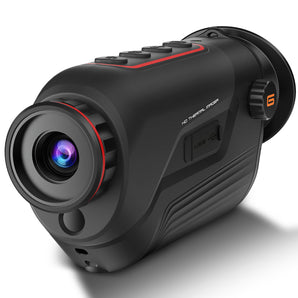
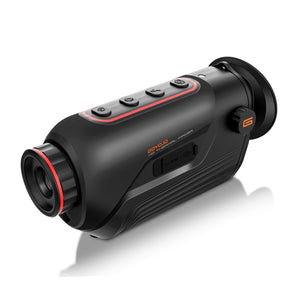
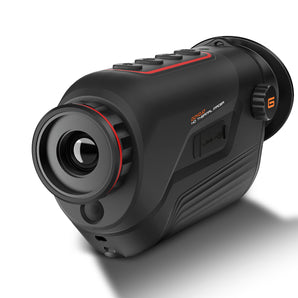
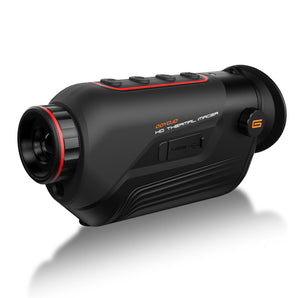
Tremp expected a thermal optic to feel fragile or overly technical. Instead, he described the GRL335 as compact, sturdy, and reassuringly solid. The aluminum-magnesium housing kept the optic to a reported 19.5 ounces without the battery, and he felt it remained well balanced on the Heatseeker compared with a traditional daytime optic. The result was a rifle setup that still handled naturally rather than feeling top-heavy or awkward.
The mounting hardware made a similarly positive impression. Tremp called the Picatinny interface straightforward and found the latch well designed, with a locked-up feel that inspired confidence. The buttons also felt positive and deliberate, with none of the looseness he had expected from an attainable 384×288 optic. During his use on the Heatseeker, he reported that recoil caused no issue. That observation belongs to his specific rifle experience, but it is still useful evidence of how the optic behaved in the setup shown throughout the review.

Crisp Detail and Smooth Scanning
Once behind the eyepiece, Jeremy Tremp said the image snapped into clarity within minutes. He found the view clear with his eye in the rubber cup and also when positioned more than six inches behind it. That flexibility can matter on a rifle because stock shape, mounting position, clothing, and shooting posture all affect where the shooter’s eye naturally lands.
The reviewer also characterized the 1024×768 OLED image as crisp and highly detailed. Motion was a particular strength in his account: with the refresh rate reaching 55Hz, panning across a field looked smooth rather than stuttered. For a hunter scanning a tree line or feeder area, fluid motion helps the scene remain readable as the optic moves and can make long observation periods feel less tiring.
The review imagery reinforces the practical character of that impression. Jeremy cycled through the available color presentations, while another frame showed reflected warmth appearing on a pair of sunglasses. These examples do more for a new buyer than a sensor number alone because they show the kinds of contrast and display choices that shape the actual viewing experience.


Easy Controls Without a Steep Learning Curve
Controls were one of the most convincing parts of Jeremy’s experience. He found the button layout intuitive and the menu system direct, without cryptic abbreviations or layers of confusing submenus. Within a short time, he was moving among the available image modes and trying the 1×, 2×, 3×, and 4× digital zoom settings. He described the overall experience as user-friendly for someone adopting thermal for the first time.
That matters because good thermal hardware is only useful when essential adjustments remain easy to find in the dark. Positive button feedback helps a hunter know that an input registered, while clear labels and a logical menu reduce the need to pause and consult instructions in the field. Jeremy’s response suggests the GRL335 was designed around the person operating it, not simply around a long feature list.

One-Shot Zero and Picture-in-Picture
The Classic One Shot Zero and Thermal One-Shot Zero functions were another strong fit for a new thermal owner. Jeremy described the workflow simply: fire a round, freeze the image, and move the reticle to the point of impact. On the Heatseeker, he felt the process was no more complicated than adjusting a traditional scope and, in some respects, even easier.
Picture-in-picture also stood out once he began working through the feature set. Instead of enlarging the entire display, PIP places a magnified aiming window within the broader thermal scene. Jeremy liked that it preserved situational awareness while giving him a closer view of the aiming area. On a bolt gun intended for deliberate shot placement, that balance made the feature feel like a useful precision tool. It can also help a hunter keep track of other heat signatures around the primary point of interest.
Swappable Power and Recoil-Activated Recording
The GRL335 uses a rechargeable 18650 battery beneath a quick-access cap. GOYOJO currently lists six to eight hours of operating time, while Jeremy emphasized the practical advantage of carrying a charged spare and replacing the battery in the field. For hunters who may remain out after dark, that design offers a straightforward way to extend an outing without placing the entire optic on a charger.
Recoil Activated Video was the feature that most surprised him. A hunter may not have time to begin recording before a shot, and continuous recording can produce unnecessary footage. RAV is designed to preserve the important moment automatically when the rifle fires. Jeremy considered it valuable for reviewing shot placement and sharing a hunt afterward. The optic’s 64GB of onboard storage and Wi-Fi connectivity support that workflow, turning recording from a menu extra into a practical part of the field experience.
How the Review Frames Night Hunting
Jeremy was careful to separate detecting a heat source from identifying it. Detection means noticing that something warm is present; recognition means determining its general type; identification requires enough detail and context to make a confident decision. Conditions such as humidity, vegetation, temperature contrast, target size, and viewing angle all affect how much useful detail is available.
The real value in his discussion was not a single maximum-distance number. It was the change in awareness thermal can provide at night. For a coyote hunter watching open pasture or a hog hunter monitoring a feeder line, seeing a heat signature early allows more time to observe movement and choose a position. Jeremy described that transition from waiting on sound or sudden motion to watching an animal’s approach develop in darkness. Picture-in-picture, 4× base magnification, and smooth scanning all support that deliberate style of use.
He also kept thermal in its proper role: it is a specialized tool rather than a replacement for every conventional optic. Hunters should always make a positive identification and follow the applicable hunting and firearm regulations. Within that responsible workflow, his first experience showed how thermal can make nighttime terrain and movement far easier to read.
Who This GRL335 Experience Best Fits
This review speaks most directly to a first-time thermal buyer who wants a rifle-mounted optic with an understandable interface. It is also relevant to hog, predator, and varmint hunters who work from fields, feeder lines, or other positions where scanning, deliberate aiming, and recording matter. The 35mm objective and 4× optical base magnification matched Jeremy’s Heatseeker setup well, while the secure Picatinny mount kept installation familiar.
Buyers who value easy zeroing, tactile controls, swappable batteries, PIP, and automatic recording will find the strongest support in Jeremy’s experience. His comments on build quality and smooth motion also make the review useful for shoppers moving beyond entry-level 256-class hardware without jumping immediately to the highest-priced thermal category. For additional rifle-mounted choices, browse the GOYOJO Thermal Imaging Optics collection.
Current GRL335 Specifications
The table below summarizes current GOYOJO product information for the GRL335 configuration. Specifications can change with product revisions, so confirm the current configuration on the product page when ordering.
| Specification | GRL335 current value |
|---|---|
| Thermal sensor | 384×288 VOx, 12μm |
| Thermal sensitivity | NETD <25mK at 25°C, F/1.0 |
| Objective and base magnification | 35mm and 4× optical |
| Digital zoom | 1×, 2×, 3×, and 4× |
| Display and refresh rate | 1024×768 OLED, up to 55Hz |
| Field of view | 6.5°×4.5° |
| Storage | 64GB |
| Battery and listed runtime | Rechargeable 18650, six to eight hours |
| Weight without battery | 553g / 1.22 lb. |
| Protection rating | IP65 |
| Operating temperature | -20°C to 50°C |
| Warranty | Five years |
Final Verdict
Jeremy Jeremy’s experience presents the GRL335 as a welcoming first step into rifle-mounted thermal imaging. He found the display crisp and smooth, the menus easy to learn, the buttons deliberate, and the one-shot zero process refreshingly simple. The optic balanced well on his Heatseeker, the mount felt secure, recoil caused no problem during his use, and picture-in-picture plus recoil-activated recording added practical value once he worked with them.
That combination best suits a first-time thermal owner or a hog, predator, or varmint hunter who wants capable 384×288 imaging without an intimidating setup process. The strongest value demonstrated in this review is not one headline specification; it is how quickly a new user could move from opening the box to using the optic’s core hunting tools with confidence. See the current GOYOJO GRL335 configuration, features, and specifications.
Source and Editorial Disclosure
This article is an original GOYOJO Optics editorial interpretation of attributed observations in Jeremy Tremp’s third-party review for The Armory Life and current GOYOJO product information. The source states that GOYOJO provided the optic for review. GOYOJO did not perform the third-party testing.